close
To:

From:

Pipeline

Drug Target Partner PreclinicalPhase IPhase IIPhase IIIApprovedhalfandhalf
CARDIOVASCULAR
Mipomersen ApoB-100 Genzyme
 
ISIS-CRPRx CRP -
 
ISIS-APOCIIIRx ApoCIII -
 
ISIS-FXIRx Factor XI -
 
ISIS-APOARx Apo(a) -
 
ISIS-FVIIRx Factor VII -
 
METABOLIC
ISIS-PTP1BRx PTP-1B -
 
ISIS-GCGRRx GCGR -
 
ISIS-GCCRRx GCCR -
 
ISIS-FGFR4Rx FGFR4 -
 
ISIS-DGAT2Rx DGAT2 -
 
CANCER
OGX-011 clusterin Teva/OncoGenex
 
LY2181308 survivin Lilly
 
ISIS-EIF4ERx eIF-4E -
 
OGX-427 Hsp27 OncoGenex
 
ISIS-STAT3Rx STAT3 -
 
SEVERE & RARE
ISIS-SOD1Rx SOD1 ALSA, MDA
 
ISIS-TTRRx TTR GSK
 
ISIS-SMNRx SMN2 -
 
ATL1103 GHr Antisense
 
ISIS-AATRx AAT GSK
 
INFLAMMATION AND OTHER
Vitravene CMV Novartis
 
Alicaforsen ICAM-1 Atlantic
 
Plazomicin Aminoglycoside Achaogen
 
ATL1102 VLA-4 Antisense
 
EXC 001 CTGF Excaliard
 
iCo-007 C-raf kinase iCo
 

* Named Patient Supply

Drug:
Mipomersen
Indication:
High Cholesterol
A first-in-class antisense drug designed to reduce LDL-cholesterol by inhibiting the production of apo-B, a protein that provides the structural core for all atherogenic lipids. Mipomersen is being developed to treat patients with very high cholesterol, at high cardiovascular risk. Together with Genzyme, we have evaluated mipomersen in four positive Phase 3 studies in which all primary, secondary and tertiary endpoints were met. Learn More >
Drug:
ISIS-CRPRx
Indication:
CAD/Inflammation/Renal
An antisense drug that inhibits the production of CRP, a protein that is dramatically elevated during inflammatory disorders and excessive amounts of CRP have been linked to coronary artery disease. In a Phase 1 study, ISIS-CRPRx produced statistically significant reductions in CRP in subjects that entered the study with elevated levels of CRP. Learn More >
Drug:
ISIS-APOCIIIRx
Indication:
High Triglycerides
An antisense drug that inhibits apoC-III, a protein that is responsible for triglyceride transport in blood. High levels of apoC-III are linked to inflammation, high triglycerides, atherosclerosis and metabolic syndrome. In a Phase 1 study, ISIS-APOCIIIRx produced significant reductions in apoC-III and triglycerides in healthly volunteers. Learn More >
Drug:
ISIS-FXIRx
Indication:
Clotting Disorders
An antisense drug designed to treat clotting disorders by inhibiting the production of Factor XI, a clotting factor that is produced in the liver. High levels of Factor XI are linked to heart attack, stroke and blood clots. Learn More >
Drug:
ISIS-APOARx
Indication:
Atherosclerosis
An antisense drug that inhibits the production of apo(a) in the liver and is designed to offer a direct approach to reducing Lp(a), an independent risk factor for cardiovascular disease. High levels of Lp(a) are associated with an increased risk of atherosclerosis, coronary heart disease, heart attack and stroke. Lp(a) promotes premature plaque buildup, or atherosclerosis, in arteries. Learn More >
Drug:
ISIS-FVIIRx
Indication:
Clotting Disorders
An antisense drug that inhibits the production of Factor VII, a key component of the tissue factor coagulation pathway, for the treatment or prevention of thrombotic diseases without causing bleeding, which is a common side effect of currently available anti-thrombotic drugs. Learn More >
Drug:
ISIS-PTP1BRx
Indication:
Type 2 Diabetes
An antisense drug that inhibits the production of PTP-1B, a protein that negatively regulates insulin receptor signaling. PTP-1B is responsible for turning off the activated insulin receptor, so reducing PTP-1B enhances insulin activity. We have reported positive Phase 2 data showing that antisense inhibition of PTP-1B improved glucose control in patients with type 2 diabetes. Learn More >
Drug:
ISIS-GCGRRx
Indication:
Type 2 Diabetes
An antisense drug designed to inhibit GCGR, a receptor for the hormone, glucagon, that opposes the action of insulin and stimulates the liver to produce glucose. Learn More >
Drug:
ISIS-GCCRRx
Indication:
Type 2 Diabetes
An antisense drug designed to inhibit GCCR, a receptor for the hormone, glucacorticoid, that has a variety of effects throughout the body, including promoting liver glucose production and fat storage. Learn More >
Drug:
ISIS-FGFR4Rx
Indication:
Obesity
An antisense drug designed to treat obesity by inhibiting the production of FGFR4, a protein that plays an important role in the regulation of fat burning and body weight. Learn More >
Drug:
ISIS-DGAT2Rx
Indication:
NASH
An antisense drug that inhibits the production of DGAT2 and is to reduce liver fat in patients with nonalcoholic steatohepatitis (NASH), a common and often asymptomatic liver disease that can cause irreversible damage to the liver, and lead to liver cirrhosis and cancer. Learn More >
Drug:
OGX-011
Indication:
Cancer
An antisense drug that inhibits the production of clusterin, a secreted protein that acts as a cell-survival protein and is overexpressed in response to cancer treatments, like chemotherapy, hormone ablation and radiation therapy. Teva and OncoGenex are developing OGX-011 for the treatment of cancer. OGX-011 has shown promising results in combination with currently available chemotherapies in several tumor types. Learn More >
Drug:
LY2181308
Indication:
Cancer
An antisense drug that inhibits the production of survivin, a protein that plays a role in promoting the growth and production of cancer cells. Survivin is one of the most common overexpressed proteins in cancer. LY2181308 is being developed by our partner, Eli Lilly and Company, for the treatment of a variety of cancers. Learn More >
Drug:
ISIS-EIF4ERx
Indication:
Cancer
An antisense drug that inhibits the production of eIF-4E, a protein that is overexpressed in a variety of cancers. eIF-4E is involved in key growth and survival factors that contribute to tumor progression and the spread of cancer. Learn More >
Drug:
OGX-427
Indication:
Cancer
An antisense drug that inhibits the production of Hsp27, a cell-survival protein that is overexpressed in response to many cancer treatments. Our partner, OncoGenex, is developing OGX-427 for the treatment of a variety of cancers. Learn More >
Drug:
ISIS-STAT3Rx
Indication:
Cancer
An antisense drug that inhibits the production of STAT3. STAT3 is a protein involved in the translation of key factors that are critical for tumor cell growth and survival. STAT3 is overactive in a variety of cancers, including ovarian, brain, lung, breast, bone, liver and multiple myeloma. Learn More >
Drug:
ISIS-SOD1Rx
Indication:
ALS
An antisense drug that inhibits the production of SOD1, a protein associated with an inherited, aggressive form of ALS. Learn More >
Drug:
ISIS-TTRRx
Indication:
TTR Amyloidosis
An antisense drug that inhibits the production of TTR, a carrier protein that transports a thyroid hormone and retinol in the blood. In patients with TTR amyloidosis, both the mutant and normal forms of TTR can build up as fibrils in tissue. ISIS-TTRRx inhibits the production of all forms of TTR, offering a unique approach to treating TTR amyloidosis. Learn More >
Drug:
ISIS-SMNRx
Indication:
Spinal Muscular Atrophy
An antisense drug designed to treat spinal muscular atrophy. SMA occurs from a genetic deletion of a gene responsible for producing a protein critical for normal cellular function. ISIS-SMNRx increases the production of this protein by modulating the splicing of a closely related gene, thereby compensating for the underlying genetic defect. Learn More >
Drug:
ATL1103
Indication:
Acromegaly
An antisense drug that inhibits the production of a receptor protein, GHr. GHr reduces the level of a circulating hormone that has been shown to contribute to various diseases. Our partner, Antisense Therapeutics Limited, is developing ATL1103 for the treatment of acromegaly, a disease characterized by abnormal growth of organs, face, hands and feet. Learn More >
Drug:
ISIS-AATRx
Indication:
AATD-Associated Liver Disease
An antisense drug designed to inhibit the production of AAT in patients with AATD. AATD is a genetic disease that affects 1 out of every 2,500 people in the United States and can lead to severe liver disease, including liver scarring, cirrhosis and liver cancer. ISIS-AATRx should prevent accumulation of misfolded AAT in the liver, thereby offering a unique approach to treat AATD-associated liver disease. Learn More >
Drug:
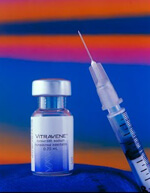
Vitravene
Indication:
CMV
An antisense drug designed to treat CMV retinitis in AIDS patients. Vitravene demonstrates our ability to meet FDA and European regulatory requirements for safety and efficacy, and for the commercial manufacture of antisense drugs. Learn More >
Drug:
Alicaforsen
Indication:
Ulcerative Colitis

An antisense drug that inhibits the production of ICAM-1, an intracellular adhesion protein that is overexpressed in a wide variety of inflammatory disorders. Our partner, Atlantic Pharmaceuticals, is developing alicaforsen for the treatment of ulcerative colitis and currently supplies alicaforsen in response to physicians’ requests under international Named Patient Supply regulations for patients with IBD.

Learn More >

Drug:
Plazomicin
Indication:
Severe Bacterial Infection
Plazomicin (formerly ACHN-490): An aminoglycoside drug discovered by Achaogen based on technology we licensed to Achaogen. Achaogen is developing plazomicin for the treatment of multi-drug resistant gram-negative bacterial infections. Learn More >
Drug:
ATL1102
Indication:
Multiple Sclerosis
An antisense drug that inhibits the production of CD49d. CD49d is a subunit of VLA-4 and is involved in a number of inflammatory diseases. Our partner, Antisense Therapeutics Limited, is developing ATL1102 for the treatment of MS. Learn More >
Drug:
EXC 001
Indication:
Local Fibrosis
An antisense drug that inhibits the production of the growth factor CTGF. CTGF is overexpressed in damaged skin or tissue following a traumatic event. Our partner, Excaliard, is developing EXC 001 for the local treatment of fibrotic diseases, including scarring. Excaliard recently reported data from three Phase 2 studies of EXC 001 demonstrating that treatment with EXC 001 produced statistically significant decreases in scar severity. Learn More >
Drug:
iCo-007
Indication:
Ocular Disease
An antisense drug that inhibits the production of c-raf kinase, a protein associated with the reduction and leakage of new blood vessels in the eye. Our partner, iCo Therapeutics, is developing iCo-007 for the treatment of both diabetic macular edema and diabetic retinopathy. Learn More >